
Author: Kristin Mosher
Meet Our Nurses: Courtney Dicarlo, RN
Finding Family and Purpose in Nursing at St. Mary’s
Growing up in Scotia, NY, Courtney DiCarlo knew at a pretty young age that she wanted to be a nurse. But it wasn’t until she got on the job at St. Mary’s Healthcare that she fully understood just how much she wanted this career. Because that’s when she discovered that being a nurse, in addition to helping others, was also about becoming part of a team, pulling together, to help make a real difference in people’s lives.
“Working at St. Mary’s I became part of a tight-knit community,” Courtney says.
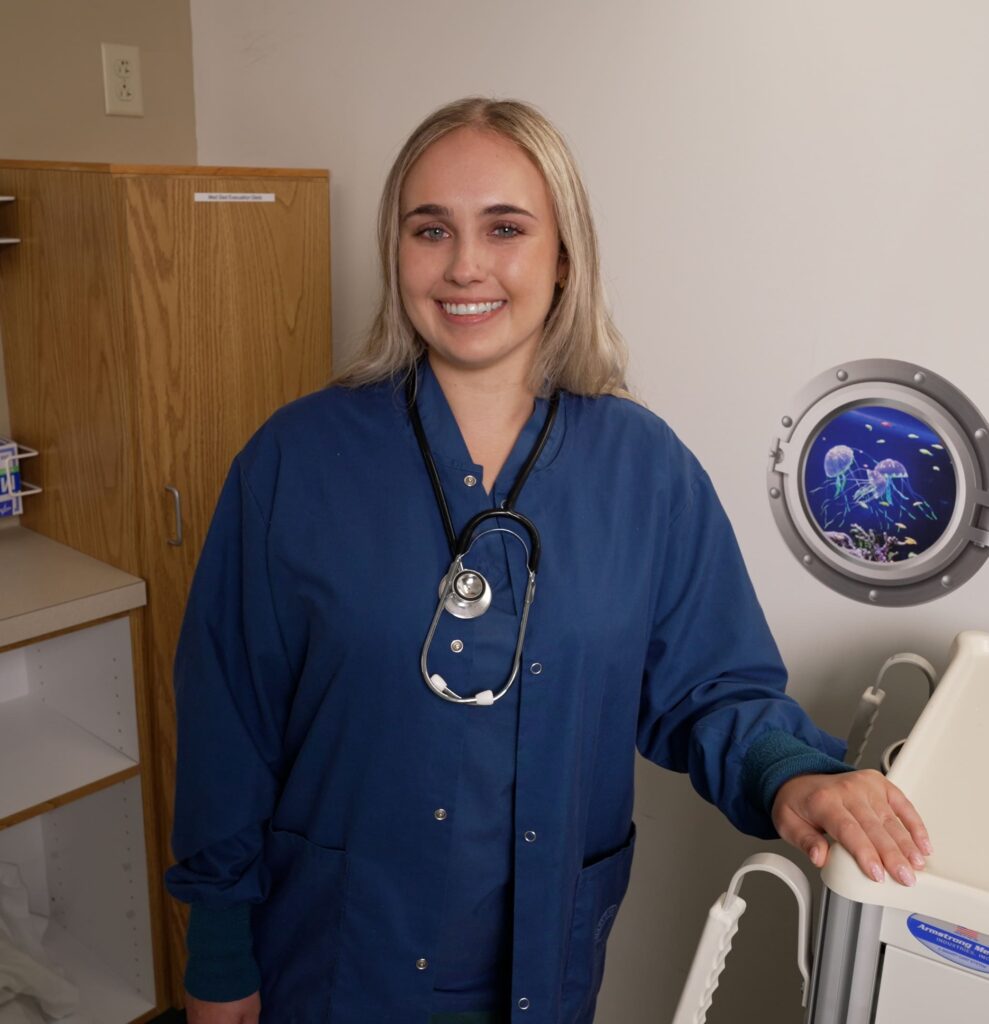
“Everyone knows each other here. It feels like family. And it’s such a great place to learn and grow.”
After graduating from Fulton-Montgomery Community College, Courtney started out in Med Surg at St. Mary’s. What she appreciated right away was how easy it was to get guidance. “I feel like at a big city hospital that would have been difficult,” she says. “I always found that my fellow nurses with years of experience were right there for me, happy to share their knowledge and expertise.”
Courtney has her eyes set now on becoming like those nurses who’ve given her a leg up. With the financial help and encouragement of St. Mary’s, she’s pursuing her BA and hopes eventually to earn her MA.
“At the beginning I have to admit it was a little scary,” she says. “But I feel confident now. I’m on my way. St. Mary’s has done that for me.”
To learn more about nursing at St. Mary’s Healthcare, visit our Nursing Careers page.
When it Comes to Patient Safety, We Get an A.
There’s a story behind the story of how St. Mary’s earned an “A” from the Leapfrog Group.
The main story, of course, is how this hospital made patient safety a top priority, and did such an outstanding job that Leapfrog gave it the highest possible grade.
But there’s also the story of how St. Mary’s went about proving how deserving it is to receive this A grade – something that’s not easy to do, especially for a community hospital of this size.
From the start, let’s be clear about why this whole story matters: Leapfrog Group is a highly respected national organization that reports critical safety and quality information to help patients find the best medical care. It makes hospitals undergo a pretty rigorous exam in order to achieve a high grade.
Okay, now let’s pick up the story from the perspective of Meredith Borak, executive director, quality and performance excellence and chief nursing executive. She was one of the key players in the effort to achieve the Leapfrog A designation.
“First, let’s recognize that it takes consistency, accountability, and a commitment from every single person across the organization to makes this happen,” she says. “What this is really about is our people — our nurses, physicians, technicians, environmental services teams and support staff. Everyone who shows up every day with a focus on doing the right thing for our patients. Because it’s the small moments that matter – the double checks, the attention to detail, the willingness to speak up – that all creates a culture of safety.”
But, according to Meredith, there also needed to be a series of concrete measures taken to meet the demanding Leapfrog criteria. She and her team, including Julie Fenton, executive director, clinical operations in nursing, spent months putting new systems and protocols in place.
These included:
- Nurses using bar code scanning to ensure the right meds and right doses are going to the right patient — every time and in every clinical setting
- Providers electronically ordering meds and establishing the built-in safety alerts
- Ensuring that the most critical patients have certified providers managing their care, and bringing a multidisciplinary team to the bedside to discuss the patients plan of care
- Putting hand hygiene at the forefront through consistent education, surveillance and feedback to prevent the spread of infection
- Creating a culture of trust and transparency that rewards good catches and encourages all hospital staff to speak up for patient safety
- A point of care leadership approach that fosters a culture of safety through open communication and inclusive decision making.
In other words, it takes a village. And it takes a plan that’s carefully executed over time.And, of course, it’s not just about earning an A.
“We did all this for our patients and families,” Meredith says. “It’s about earning their trust and providing them with peace of mind. It means when you come through our doors, you can trust that your safety is our top priority, not just in what we do, but how we do it.”
In the end, this A is something our entire community can be proud of. It means the level of care available right here at home is something special.
St. Mary’s Healthcare Earns an A for Patient Safety
St. Mary’s Healthcare Earns an A for Patient Safety
Fewer than one-third of N.Y. hospitals received Leapfrog Group’s highest grade
AMSTERDAM, N.Y., May 6, 2026—St. Mary’s Healthcare earned an “A” Hospital Safety Grade from The Leapfrog Group, an independent national nonprofit watchdog focused on patient safety. Just 28.2% of New York state hospitals—including two in the Capital Region—received Leapfrog’s highest grade.
Leapfrog assigns an “A,” “B,” “C,” “D,” or “F” grade to general hospitals across the country using evidence-based measures of patient safety focused exclusively on errors, accidents, injuries and infections. Grades are updated twice a year, in the spring and fall.
“Our ‘A’ grade is a national validation of the level of safety St. Mary’s patients can count on when they turn to us for care,” said Jeff Methven, St. Mary’s president and CEO. “In 12 months, we’ve improved our grade from a low C to a high A. That’s a remarkable affirmation of our commitment to our community and our determination to become their most trusted choice for healthcare.
“It’s also a total team effort,” he added, “an accomplishment made possible by the dedication of every St. Mary’s associate, in every area of our organization, every day.”
The local independent healthcare organization is in the midst of a comprehensive, strategic turnaround plan that emphasizes smart growth; enhanced recruitment and retention; quality, safety and the patient experience; and a supportive work culture. The Leapfrog A is the latest in a string of successes.
In the past two years, St. Mary’s has added 90+ providers and 130+ associates, reopened shuttered offices, introduced much-needed medical specialties, increased investments in equipment and employees, and been recognized as a “Top Workplace” two years in a row.
The goal is to help secure St. Mary’s financial future by differentiating the community hospital on quality, safety, compassion and employee engagement. “We are on a journey together,” Methven said, “creating an organization where associates feel valued and, even more important, take pride in recommending us to family and friends.”
***
About St. Mary’s Healthcare: St. Mary’s Healthcare has been providing high-quality, compassionate healthcare to the people of Montgomery and Fulton counties since 1903. At St. Mary’s Hospital, the Rao Outpatient Pavilion and other locations, the local, independent healthcare organization offers the comprehensive, critical services its community needs and deserves. For more information: (518) 842-1900, www.smha.org or www.facebook.com/smha.org.
About The Leapfrog Group: Founded in 2000 by large employers and other purchasers, The Leapfrog Group is a national nonprofit organization driving a movement for giant leaps for patient safety. The Leapfrog Hospital Safety Grade, Leapfrog’s other main initiative, assigns letter grades to hospitals based on their record of patient safety, helping consumers protect themselves and their families from errors, injuries, accidents and infections.
Contact:
Kristin Mosher
Director, Marketing and Communications
St. Mary’s Healthcare, Amsterdam
(518) 770-7505
kristin.mosher@nysmha.org
St. Mary’s Healthcare Recognized as Top Workplace—Again
AMSTERDAM, N.Y., April 14, 2026—St. Mary’s Healthcare has earned a place among the Capital Region’s “Top Workplaces” for the second year in a row.
The independent community hospital is a Times Union Top Workplace 2026. St. Mary’s is the only acute care hospital in the Capital Region to make the list in the 15 years the Times Union has been recognizing the region’s top employers.
“We’ve made it a priority to build a culture of collaboration, innovation and inclusion—one that’s committed to the growth of all who work here. This award affirms that we’re succeeding,” St. Mary’s Healthcare President and CEO Jeff Methven said.
“Our team is extraordinary in their commitment to our mission, our community and each other,” he added, “and that is instrumental in making St. Mary’s a Top Workplace.”
The annual Top Workplaces list is based solely on employee feedback, via a confidential survey on work-related measures such as feeling respected and supported, enabled to grow and empowered to execute. The survey is conducted by Energage, a workplace culture research firm.
St. Mary’s is in the midst of a strategic turnaround plan that includes investing in much-needed services, compensation, benefits, recognition programs, and professional and career development. The local community hospital also emphasizes transparency and communication and has increased employee involvement in decision-making.As a result, patient volumes are up, the hospital is adding specialties and providers, and the number of associates has increased by 9% since 2023 to more than 1,600.
“Word is spreading that there’s something really special about St. Mary’s,” said Lisa Mazzoccone, vice president and chief people experience officer. “This is a place where everyone is valued and makes a difference—and it shows in the care we provide and our support for each other.”
***
About St. Mary’s Healthcare, Amsterdam: St. Mary’s Healthcare has been providing high-quality, compassionate healthcare to the people of Montgomery and Fulton counties since 1903. At St. Mary’s Hospital, the Rao Outpatient Pavilion and other locations, the local, independent healthcare organization offers the comprehensive, critical services its community needs and deserves. For more information: (518) 842-1900, www.smha.org or www.facebook.com/smha.org.
About Energage: Making the world a better place to work together.
Energage is a purpose-driven company that helps organizations turn employee feedback into useful business intelligence and credible employer recognition through Top Workplaces. Built on 20 years of culture research and the results from 30 million employees surveyed across more than 80,000 organizations, Energage delivers the most accurate competitive benchmark available. With access to a unique combination of patented analytic tools and expert guidance, Energage customers lead the competition with an engaged workforce and an opportunity to gain recognition for their people-first approach to culture. For more information or to nominate your organization, visit energage.com or topworkplaces.com.
Contact:
Kristin Mosher
Director, Marketing and Communications
St. Mary’s Healthcare, Amsterdam
(518) 770-7505
Meet Our Nurses: Meagan Hanson, RN
Building a Nursing Career That Works For YOU
There’s an old proverb that goes like this: “A good beginning makes a good ending.” That’s certainly seems true for Meagan Hanson.
She says St. Mary’s Healthcare has been the perfect place to begin her nursing career, and it’s setting her up to have a long, successful road ahead.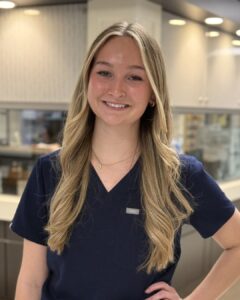
“When I first came here from Fulton-Montgomery Community College,” Meagan recalls, “all the nurses here were so great about mentoring me. I remember thinking, ‘Wow, they have all this experience, they have all these responsibilities, and yet they actually want to take me under their wings.’ They wanted me to thrive.”
And thrive she has. Meagan started out in Med-Surg, flowed into Intensive Care, and continues to explore the various nursing positions St. Mary’s offers for her future in this field.
“I’m working with new technologies,” she says. “I’m interacting with highly skilled professionals. And, I’m learning something new each and every day.”
Meagan admits she was scared at first. “But here I am today, just three years out of nursing school, and taking on challenges that I never could have imagined. I remember, early on, one of my patients saying to me, ‘You know Meagan, you’re a really good person. I can really see you going places.’
She’s determined to prove that patient right. And she believes she’s already arrived at the place where it’s most likely to happen. She’s found a home at St. Mary’s.
To learn more about nursing at St. Mary’s Healthcare, visit our Nursing Careers page.
St. Mary’s Demaree Says Small Rural Hospitals Can Achieve Top Safety Grades Without Big Budgets
This article was originally published on healthsystemCIO
A 130-bed independent hospital in Amsterdam, New York, earned a Leapfrog B safety grade by tackling one of the most daunting challenges in clinical IT: getting medication alerts right. St. Mary’s Healthcare, a rural safety net hospital where roughly 70% of patients are covered by Medicare or Medicaid, had long delivered strong clinical care, but its Leapfrog score told a different story. Because the hospital had not participated in the Leapfrog survey between 2020 and 2024, its grade was based entirely on publicly available data and did not reflect the quality of care the staff was providing. When leadership decided to take control of that narrative by submitting its own data, the organization turned to its CPOE system and set out to maximize every point it could earn.
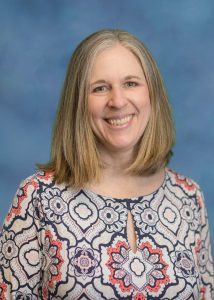
Julie Demaree, VP and Chief Technology and Digital Innovation Officer at St. Mary’s Healthcare, said the hospital already had a medication alerting tool in place, but the organization had been cautious about expanding its use. Concerns about alert fatigue, physician disruption, and the governance required to manage changes had slowed adoption. “Safety isn’t about size,” she said. “It’s about discipline and culture and being committed to patient care.”
The Leapfrog initiative gave the team a clear reason to accelerate: Demaree and her colleagues formed a cross-functional committee with the chief medical officer, the director of pharmacy, and the informatics team to determine which alerts to activate and in what order. The Leapfrog Hospital Safety Grade is one of the few national ratings that evaluates hospitals exclusively on their ability to prevent errors, injuries, and infections. Hospitals are scored whether they submit data or not; those that don’t participate have their grades calculated entirely from public sources.
Getting the Alerts Right
The CPOE component of the Leapfrog score requires two things: proof that prescribers enter their own orders and evidence that the hospital’s system can flag more than 60% of serious medication errors. The first criterion was easy; St. Mary’s quickly got over 92% compliance by identifying the few outliers who weren’t entering their own orders. The second criterion required expanding the alert categories the system monitored, including drug interactions, drug-allergy conflicts, dosing errors, drug-lab levels, and drug-age warnings. The hospital had a solid alerting foundation in place; the Leapfrog standard called for broadening it. The challenge was doing so without creating alert fatigue among physicians who would encounter notifications dozens of times a day.The governance model made the difference. The committee recruited volunteer physicians from both inpatient and outpatient settings to pilot the new alerts before a broader rollout. The feedback was immediate and specific. A GI physician assistant reported that every bowel prep order triggered a dangerous-dose alert; the team suppressed it before the systemwide launch. Physicians also flagged the lack of appropriate override options: the only choices available forced them to acknowledge a dangerous situation and proceed anyway. The committee added options such as “this is a home medication” and “these medications have a synergistic effect,” giving clinicians a way to document sound clinical reasoning when dismissing an alert.
A dedicated physician trainer rounded daily during the rollout, asking clinicians what was popping up and what felt unnecessary. That in-person presence proved more effective than any help desk ticket system. Physicians don’t call the help desk, Demaree noted; they’re too busy, and many have concluded that IT can’t help them. Having someone physically at their side, capturing frustrations in real time, created a feedback loop the organization had never had. “If we are living in a world where we think no one complaining means things are going well, we are fooling ourselves,” Demaree said. When a clinician flagged an alert as unnecessary, the team evaluated the data, made a decision, and communicated the rationale. That transparency built trust and sustained momentum.
Rebounding from a Sub-Optimal EMR Go-Live
The Leapfrog journey built on years of EMR optimization work. Demaree joined St. Mary’s nearly three years ago after spending 23 years at Saratoga Hospital, where she evolved from a physician assistant into an informatics and operational transformation leader. The hospital had implemented a new Meditech Expanse system in 2022 under challenging circumstances: it had divested from a national health system in 2020, lost significant IT resources, and completed the build during COVID with consultants cycling in and out. Some legacy workflows and data from the old Meditech Magic system carried over into the new platform, creating optimization opportunities.
Demaree’s initial mandate was to bridge clinical leaders and technical teams, fine-tuning the EMR and driving adoption of structured data. She credits the clinical informatics team already in place with having done significant post-go-live work before she arrived. Through reorganization, her role expanded to encompass IT strategy, clinical innovation, and biomedical engineering.
The culture she found surprised her. At a hospital where many employees have worked for 30 or 40 years, she expected resistance to change. She found the opposite. OR nurses who once documented on paper, physicians who trained before gloves were standard: these staff members had already absorbed enormous change over their careers. They asked questions and wanted to understand risks, but they were not rigid. Demaree credits the hospital’s deep ties to its community for that resilience. St. Mary’s, founded in 1903 by the Sisters of St. Joseph of Carondelet, is the only hospital for miles. Closing would leave 400,000 patients a year without a local provider. That urgency shapes every technology decision the organization makes.
AI, Payer Denials, and the Fight to Stay Open
St. Mary’s uses AI primarily through vendor-embedded tools: ambient documentation, payment posting automation that frees billers for higher-value denial management, and features baked into the Meditech Expanse platform. Vendors are now integrating AI directly into their products, which is exactly what smaller organizations need. Demaree is also collaborating with vendors on a project she considers high-impact. “I think AI has a real potential to aggregate and reconcile medication data across disparate sources, which is a huge opportunity right now,” she said. Patients frequently arrive at the emergency department with incomplete or inaccurate medication lists, and unintentional omissions during transitions of care are a persistent concern.
The financial pressures on rural hospitals are intensifying. Payers have deployed AI-driven algorithms to process and deny claims at a scale and speed that small billing departments cannot match. Even if payers deny 10% of claims and half go uncontested, the savings for insurers are enormous; the losses for rural hospitals are existential. Demaree’s billers must now spend their time working denials and rebuilding claims, a labor-intensive process that pulls staff away from other critical revenue cycle functions.
That pressure extends to every corner of the organization: vendor contracts are negotiated with extreme precision, technology investments are evaluated for their ability to attract surgeons and generate downstream revenue, and infrastructure upgrades compete for scarce capital. Vendors who stayed engaged after a major grant application was denied in December 2025 earned Demaree’s loyalty. Those who walked away did not.
Take it Away
- Leapfrog scores hospitals whether they participate or not; submitting your own data ensures your grade reflects actual performance.
- Form a cross-functional committee with clinical, pharmacy, and informatics leadership before activating new medication alerts.
- Provide clinically appropriate override options so physicians can dismiss alerts with documented reasoning.
- Round in person during rollouts; silence from physicians does not indicate satisfaction.
- Respond to feedback transparently, even when changes take weeks to propagate through governance cycles.
- Rural hospitals should expect AI to arrive through vendor products; focus vendor partnerships on collaboration and long-term value.
For Demaree, every budget line and every technology decision at St. Mary’s connects back to a single reality. “We are here because we love this community,” she said. “And we know that nobody else is rushing in to build a hospital here.”
It’s Your Community Hospital – Local and Independent
You have probably heard how it takes a village to raise a child. But you might not know it takes a village, a community, to keep a hospital healthy and strong.
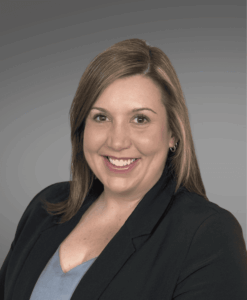
Gilli Hachey sure knows this is true. As Executive Director of the Foundation of St. Mary’s Healthcare, she sees this dynamic in action day in and day out.
“It’s a collective commitment — among all our staff members, the volunteers, our corporate and individual donors, civic leaders — that’s what allows us to keep this excellent healthcare we have both local and independent.”
And there’s probably never been a time when making this collective effort has been more critical. Many community hospitals around the country have closed or are at risk of closing due to rising costs, low reimbursement rates, and dwindling inpatient volumes. They also face severe workforce shortages, cybersecurity threats, and the list goes on. While St. Mary’s is not immune to these forces and continues to face many of these same challenges, we have made progress in stabilizing our community hospital. Despite limited resources, strategic and deliberate investments in programs, services, and our workforce have paid dividends as we work to ensure that care remains local.
That’s what makes the current portrait of St. Mary’s so inspiring for all of us living and working in the Fulton and Montgomery region. People are stepping up to meet the moment. In this past year, the hospital’s Annual Gala event saw record breaking attendance and raised $105,000 to help support urgent care and emergency services. This was a 94% percent increase from the previous year. Its Annual Golf Classic was sold out, and thanks to the generosity of its sponsors, donors, and golfers, it raised more than $65,000 to support the education, training, and professional development of hospital employees. This was a 75% increase from the previous year. The recent end-of- year giving campaign successfully brought together both internal and community support, generating more than $67,250 in gifts and pledges — a 33% increase from the previous year.
“This is about people wanting to make a difference and being supportive on behalf of their families, friends and neighbors,” Gilli says. “It shows me that they see the tremendous importance of having quality healthcare just minutes away.”
Gilli believes the generosity of people and businesses around the region also speaks to the confidence building that St. Mary’s is on the right track. “Our leadership team has vision and sound strategic thinking, and that’s becoming more and more evident to people,” she says. “The community’s participation in our fundraising events speaks for itself. Something meaningful is happening here — people want to be a part of it, and their support is essential to the future of St. Mary’s.” she says.
This confidence has also received validation as St. Mary’s has been named a 2025 Times Union Top Workplace — the first acute care hospital in the Capital Region to earn the distinction
since the program was launched 14 years ago. There’s also that the Daily Gazette named St. Mary’s “Best of the Best” hospital, and its Emergency Department has the lowest wait times in the Capital Region—beating state and national averages — even as demand continues to grow.
“We are building positive momentum,” Gilli says. “I know we face significant challenges, and the road ahead won’t be easy, but with the dedicated leadership we have, and the strong community support we have, I see a bright future for St. Mary’s.”
How Foundation gifts make a different at St. Mary’s Healthcare
- Investing in new equipment, materials, and supplies to enhance comfort, care, and the overall patient experience
- Assisting patients with pharmaceutical co-pays, medical transportation, and other health and safety measures
- Providing support for cancer patients receiving treatment or undergoing testing
- Funding professional development grants to help associates enhance their skills and advance their careers
- Awarding nursing scholarships to St. Mary’s registered nurses pursuing advanced degrees in nursing and nursing leadership
- Offering financial assistance for associates facing hardship to help with housing, transportation, and utilities
. . . and more!
Donate today and invest in St. Mary’s and keep quality healthcare location for generations.
Fulton and Montgomery Counties Benefit From Increased Local Access to Spine and Orthopedic Care
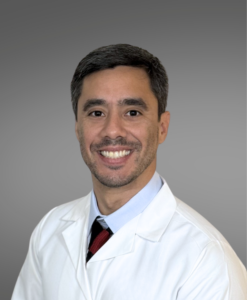
practices. MVOA joined Fulton-Montgomery Medical last year as the corporation’s first service line.
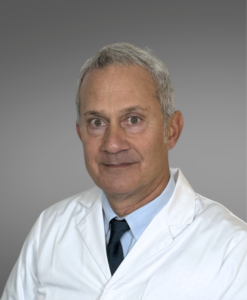
Point for 12 years and as clinical instructor in West Point’s John A. Feagin Jr. Sports Medicine Fellowship Program. A graduate of West Point and University of Virginia School of Medicine, Dr. Tenuta completed his orthopedic residency at Walter Reed Army Medical Center. He is board certified by the American Board of Orthopaedic Surgeons and is a fellow of the American Academy of Orthopaedic Surgeons and American Orthopaedic Society for Sports Medicine.
Ask the Provider: Ashley Knowlton, NP
Q: What are the most important things I can do to reduce my cancer risk?
A: About 30-50%of cancers are linked to modifiable lifestyle factors, meaning you have significant power to reduce your risk through everyday choices. Research shows people who follow healthy lifestyle recommendations have a 10-20% lower risk of developing cancer and a 24-30% lower risk of dying from cancer.
Here are the most impactful steps you can take:
- Maintain a healthy weight throughout life.
- Excess body weight increases your risk for multiple cancers including breast (after menopause), colorectal, endometrial, kidney, esophageal, and pancreatic cancers. Even modest
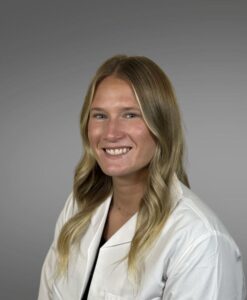
Ashley Knowlton, NP weight loss can make a difference.
- Excess body weight increases your risk for multiple cancers including breast (after menopause), colorectal, endometrial, kidney, esophageal, and pancreatic cancers. Even modest
- Stay physically active.
- Aim for 150-300 minutes of moderate-intensity activity per week (like brisk walking) or 75-150 minutes of vigorous activity (like running). Physical activity reduces cancer risk both directly and by helping maintain a healthy weight. Even replacing 30 minutes of sitting with light activity can lower your cancer mortality risk by 8%.
- Follow a healthy eating pattern.
- Focus on whole grains, vegetables, legumes (beans and peas), and fruits. Limit or avoid red meat and processed meats, which are linked to colorectal cancer. Reduce sugar-sweetened beverages and highly processed foods.
- Avoid or limit alcohol.
- It’s best not to drink alcohol at all. Alcohol is associated with liver, upper digestive tract, breast, and colorectal cancers. If you choose to drink, limit consumption to no more than one drink per day.
- Don’t smoke, and if you do, quit.
- Smoking is one of the most significant cancer risk factors. Long-term smoking increases risk for lung cancer and many other cancers, and quitting at any age provides benefits.
**Studies show that adopting these healthy behaviors together has a powerful cumulative effect. People with the healthiest lifestyles have up to 48-52% lower cancer mortality compared to those with the least healthy habits.
To learn more about our Oncology team and the services we provide, please click here.
Ask the Provider: Sara Gorham, WHNP
Q: What’s the best way to manage menopause?
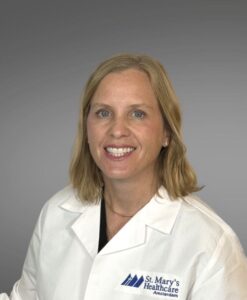
A: There’s no one-size-fits-all remedy for managing menopause. But, one of the mainstays of treatment is estrogen therapy. Based on your symptoms and medical
history, other hormones may be added as well, such as progesterone and testosterone. Since hormone therapy is available in tablets, creams, gels, and skin patches, there are many options to choose from.
However, there are reasons why some women cannot use hormone therapy, and if that is the case, there are non-hormonal options available. You should keep in mind that menopause therapy is not the same as hormonal birth control. So, even if you have been told you cannot take a birth control pill, you still could be a candidate for hormone therapy.
Management is individualized to a woman’s health status, her medical history, symptoms and personal goals. The treatment approach should be a shared decision between you and your provider. The goal of therapy ultimately is to improve your quality of life and optimize your health, all while minimizing any risks of treatment. If you are struggling with symptoms, or feeling like your symptoms are being dismissed, please seek care from a certified menopause provider.
Learn more about our OBGYN team and locations here.